
DIPLOMA IN GERIATRIC CARE MANAGEMENT
Overview:
The percentage of people above 60 years in India is expected to be 20% by 2050. India is, therefore, experiencing a demographic transition, which will have an impact on the individual, family, community, society at large and the nation. In pursuance with the National Policy on Older Persons (NPOP), the objective is to develop a dedicated cadre of Geriatric Caregivers and generate skilled manpower, with focused attention on training for intervention in the family and community settings.
Objective:
Geriatric care provides an opportunity to explore the area of Gerontology, a field of health care that focuses on the care of older adults. Program aim to teach the health care professionals to apply specific skills required for the need assessment, treatment and management of the elderly. The Certificate in geriatric care distinguishes you as a knowledgeable, skilled, and committed professional in the field of gerontology.
-
Identify the unique health needs of older adults;
-
Identify strategies related to assessment and prevention in the older adult;
-
Explore the importance of families and other social supports;
-
Identify interventions related to a variety of health problems in the older adult;
Learning Outcomes
-
To boost confidence in taking care of the elderly with improved skills and care.
-
Get job prospects in nursing homes, hospitals, assisted living centres, and home care.
-
Empower individuals to make meaningful impacts on the wellness of older people.
-
Builds a strong basis for progressing to specialization in geriatric care.
Who can enrol old age care course?
-
Caretakers in Old Age Homes and Day Care Centers.
-
Healthcare professionals include nurses and social workers.
-
Individuals interested in skills of geriatric care-givers.
-
NGOs and policymakers working in the ageing field.
-
Students of colleges/Universities and the persons willing to work as geriatric care-givers.
Details at a Glance
-
Unit
Details
Course Title
-
DIPLOMA IN GERIATRIC CARE MANAGEMENT
Eligibility
-
10+2
Course Duration
-
12 months
No of Paper
-
6
Total Hours
-
600 Hrs.
Instructional Methodology
-
Blended Vocational Education and Training (VET) programme
-
Personal contact program,
-
Online lecture program,
-
Practical program,
-
Projects & assignments,
-
OPD & Field study,
-
Community Outreach Program
Examination Methodology
-
Internal Assessment Marks - 50
-
Final/Semester Assessment Marks - 50
-
Total Marks - 100
-
Pass Marks – 50
Syllabus
-
Paper 1 (DGM01) : Anatomy and Physiology
-
Paper 2 (DGM02) : Geriatric Care
-
Paper 3 (DGM03) : Practical I-Basic Care
-
Paper 4 (DGM04) : Practical II-Advanced Care
-
Paper 5 (DGM05) : Employability Skills
-
Paper 6 (DGM06) : Project & Community Care
Course & Others Fees
-
As per Admission Notification
-
Total Fees = Course Fees + Registration Fees + Examination Fees
-
Instalment Facility available
-
DIPLOMA IN LAB SKILLS TECHNOLOGY
Overview:
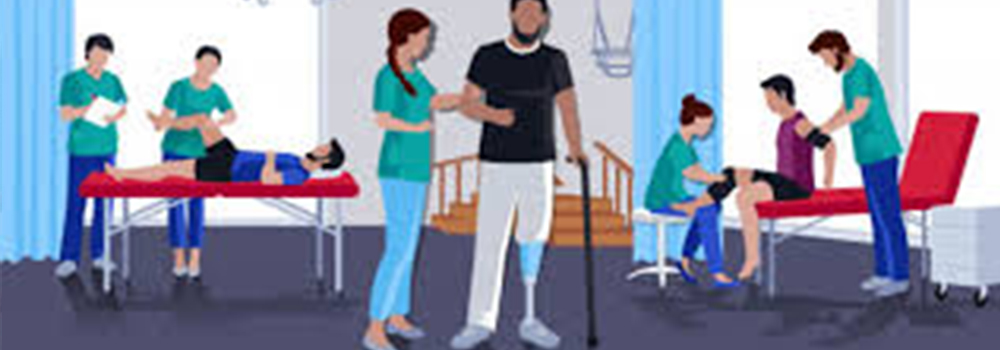
Physiocare requires not only skills for therapeutic treatment but also patience, skills and attitude for treating such patients. It also includes the electric and manual test for the level of intervention required. Physiotherapy technician maintains, restores and increases the functional capacity of people with various related disorders.
Physiocare is not just about treating patients; it is also about preventing future problems. A Physiocare technician may recommend certain exercises to help prevent injuries from occurring again. Physiocare is often used to treat sports injuries, arthritis, back pain, neck pain, and many other conditions. Physiocare is commonly used to treat people who have suffered strokes, spinal cord injuries, brain injuries, and amputations. Physiocare is also used to treat children who suffer from cerebral palsy, muscular dystrophy, and other neurological disorders.
Physiocare is becoming increasingly popular among athletes. Many professional athletes use Physiocare to improve their performance and reduce the risk of injury.
Objective:
Physiocare Technician in the Healthcare Industry skilled technician is also known as Physical Therapist Technician. Diploma in Physiocare Technician (DPT) also works alongside qualified physiotherapist, assisting in the rehabilitation of patients suffering from reduced mobility. Key tasks of an qualified skilled Physiocare Technician include setting up equipment, preparing clients for therapy and demonstrating mobility aids and exercises. Other duties may include keeping the department tidy and basic administration work.
Learning Outcomes
-
Operate using suitable tools and equipments.
-
Analyze and assemble the components of skeleton system.
-
Analyze the joints by using X-Ray films.
-
Differentiate various muscles.
-
Recognize basic cell structure and its organelles.
-
Identify the major neural tissues.
-
Relate the anatomical position of circulatory system on mannequin.
-
Categorize foods according to nutrients and assemble organs of digestive system.
-
Illustrate respiratory system.
-
Arrange organs on dummy of excretory and reproductive system.
-
Design a treatment plan for stiff parts of body.
-
Illustrate the effects of IRR.
-
Execute remedial effects of cryotherapy.
-
Abstract benefits of SWD.
-
Lay out therapeutic uses of UST.
-
Plan a regimen to stimulate muscles.
-
Asses and create a massage therapy & stretching.
-
Carry out physiotherapy assessment and develop exercise regimen.
-
Design remedy for back pain and abnormal gaits.
-
Prepare assessment chart and rehabilitation protocol.
-
Apply safe working practices.
-
Comply with environment regulation and housekeeping.
-
Interpret & use company and medical communication.
-
Area of Physiotherapy & Medical ethics
Career Opportunities
Physiocare technician skills are needed in most departments, such as:
-
elderly care
-
intensive care
-
mental health
-
occupational health
-
orthopaedics
-
outpatients' departments
-
paediatrics
-
stroke services
-
women's health
-
fitness
-
sportsman care
You may also work in the community, for local authorities or the private sector in:
-
private hospitals and clinics
-
GP practices and health centres
-
schools and children's centres
-
nursing homes and day centres for elderly people
-
charities and voluntary organisations, particularly those serving people with disabilities
-
sports clinics, professional sports clubs, gyms and leisure centres
-
the armed services.
Details at a Glance
-
Unit
Details
Course Title
-
DIPLOMA IN PHYSIOCARE TECHNOLOGY
Eligibility
-
10+2 preferable science
Course Duration
-
30 months
No of Paper
-
15
Total Hours
-
1500 Hrs.
Instructional Methods
-
Blended Vocational Education and Training (VET) programme
-
Personal contact program,
-
Online lecture program,
-
Practical program,
-
Projects & assignments,
-
OPD & Field study,
-
Community outreach program
Examination Methodology
-
Internal Assessment Marks - 50
-
Final/Semester Assessment Marks - 50
-
Total Marks - 100
-
Pass Marks – 50
Syllabus
-
Paper 1 (DPT01) : Anatomy & Physiology-I
-
Paper 2 (DPT02) : Anatomy & Physiology-II
-
Paper 3 (DPT03) : Psychology Care
-
Paper 4 (DPT04) : Health, Hygienic & First Aid Care
-
Paper 5 (DPT00) : Yoga Care
-
Paper 6 (DPT06) : OPD Skill & Care-I
-
Paper 7 (DPT07) : Conditions & Technical Care-I
-
Paper 8 (DPT08) : Physics & Electro Care
-
Paper 9 (DPT09) : Pathology & Pharmacology Care
-
Paper 10(DPT10) : Conditions & Technical Care-II
-
Paper 11 (DPT11) : EDP & Management Skills
-
Paper 12 (DPT12) : OPD Skill & Care-II
-
Paper 13 (DPT13) : Ethics and Values
-
Paper 14 (DPT14) : EDP & Management Skills
-
Paper 15 (DPT15) : Community Outreach Services
Course & Others Fees
-
As per Admission Notification
-
Total Fees = Course Fees + Registration Fees + Examination Fees
-
Instalment Facility available
-
DIPLOMA IN PHYSIOCARE TECHNOLOGY
Overview:
Physiocare requires not only skills for therapeutic treatment but also patience, skills and attitude for treating such patients. It also includes the electric and manual test for the level of intervention required. Physiotherapy technician maintains, restores and increases the functional capacity of people with various related disorders.
Physiocare is not just about treating patients; it is also about preventing future problems. A Physiocare technician may recommend certain exercises to help prevent injuries from occurring again. Physiocare is often used to treat sports injuries, arthritis, back pain, neck pain, and many other conditions. Physiocare is commonly used to treat people who have suffered strokes, spinal cord injuries, brain injuries, and amputations. Physiocare is also used to treat children who suffer from cerebral palsy, muscular dystrophy, and other neurological disorders.
Physiocare is becoming increasingly popular among athletes. Many professional athletes use Physiocare to improve their performance and reduce the risk of injury.
Objective:
Physiocare Technician in the Healthcare Industry skilled technician is also known as Physical Therapist Technician. Diploma in Physiocare Technician (DPT) also works alongside qualified physiotherapist, assisting in the rehabilitation of patients suffering from reduced mobility. Key tasks of an qualified skilled Physiocare Technician include setting up equipment, preparing clients for therapy and demonstrating mobility aids and exercises. Other duties may include keeping the department tidy and basic administration work.
Learning Outcomes
-
Operate using suitable tools and equipments.
-
Analyze and assemble the components of skeleton system.
-
Analyze the joints by using X-Ray films.
-
Differentiate various muscles.
-
Recognize basic cell structure and its organelles.
-
Identify the major neural tissues.
-
Relate the anatomical position of circulatory system on mannequin.
-
Categorize foods according to nutrients and assemble organs of digestive system.
-
Illustrate respiratory system.
-
Arrange organs on dummy of excretory and reproductive system.
-
Design a treatment plan for stiff parts of body.
-
Illustrate the effects of IRR.
-
Execute remedial effects of cryotherapy.
-
Abstract benefits of SWD.
-
Lay out therapeutic uses of UST.
-
Plan a regimen to stimulate muscles.
-
Asses and create a massage therapy & stretching.
-
Carry out physiotherapy assessment and develop exercise regimen.
-
Design remedy for back pain and abnormal gaits.
-
Prepare assessment chart and rehabilitation protocol.
-
Apply safe working practices.
-
Comply with environment regulation and housekeeping.
-
Interpret & use company and medical communication.
-
Area of Physiotherapy & Medical ethics
Career Opportunities
Physiocare technician skills are needed in most departments, such as:
-
elderly care
-
intensive care
-
mental health
-
occupational health
-
orthopaedics
-
outpatients' departments
-
paediatrics
-
stroke services
-
women's health
-
fitness
-
sportsman care
You may also work in the community, for local authorities or the private sector in:
-
private hospitals and clinics
-
GP practices and health centres
-
schools and children's centres
-
nursing homes and day centres for elderly people
-
charities and voluntary organisations, particularly those serving people with disabilities
-
sports clinics, professional sports clubs, gyms and leisure centres
-
the armed services.
Details at a Glance
-
Unit
Details
Course Title
-
DIPLOMA IN PHYSIOCARE TECHNOLOGY
Eligibility
-
10+2 preferable science
Course Duration
-
30 months
No of Paper
-
15
Total Hours
-
1500 Hrs.
Instructional Methods
-
Blended Vocational Education and Training (VET) programme
-
Personal contact program,
-
Online lecture program,
-
Practical program,
-
Projects & assignments,
-
OPD & Field study,
-
Community outreach program
Examination Methodology
-
Internal Assessment Marks - 50
-
Final/Semester Assessment Marks - 50
-
Total Marks - 100
-
Pass Marks – 50
Syllabus
-
Paper 1 (DPT01) : Anatomy & Physiology-I
-
Paper 2 (DPT02) : Anatomy & Physiology-II
-
Paper 3 (DPT03) : Psychology Care
-
Paper 4 (DPT04) : Health, Hygienic & First Aid Care
-
Paper 5 (DPT00) : Yoga Care
-
Paper 6 (DPT06) : OPD Skill & Care-I
-
Paper 7 (DPT07) : Conditions & Technical Care-I
-
Paper 8 (DPT08) : Physics & Electro Care
-
Paper 9 (DPT09) : Pathology & Pharmacology Care
-
Paper 10(DPT10) : Conditions & Technical Care-II
-
Paper 11 (DPT11) : EDP & Management Skills
-
Paper 12 (DPT12) : OPD Skill & Care-II
-
Paper 13 (DPT13) : Ethics and Values
-
Paper 14 (DPT14) : EDP & Management Skills
-
Paper 15 (DPT15) : Community Outreach Services
Course & Others Fees
-
As per Admission Notification
-
Total Fees = Course Fees + Registration Fees + Examination Fees
-
Instalment Facility available
-